


- October 27, 2025
- Personal Injury
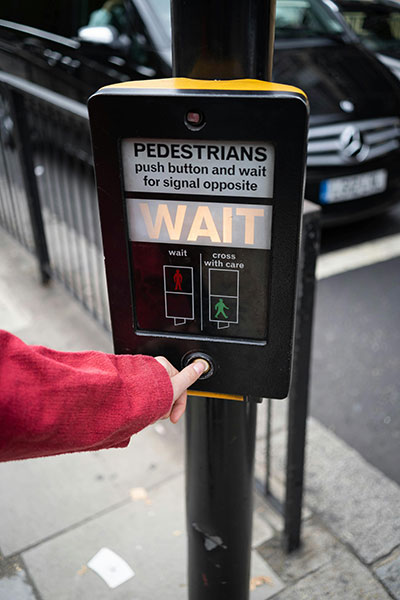
A pedestrian accident can alter daily life in a matter of seconds. Victims often deal with painful injuries, lost income, and uncertainty about how to move forward. Families grieving the loss of a loved one may struggle with both personal and financial burdens. Learning about the common causes of pedestrian accidents in Kansas helps you see how negligence often plays a role and why legal claims focus on proving responsibility.
When someone else’s actions cause this harm, the law provides a way to hold that person accountable. Skilled legal representation can guide you through each step of the claims process while protecting your rights.
If you suffered harm in a collision while you were walking, contact a pedestrian accident lawyer near you for a free consultation. They can answer your questions about obtaining compensation and offer the support you need to take action.
Key Takeaways About Pedestrian Accidents in Kansas
- Understanding your rights under Kansas pedestrian laws can significantly impact your recovery after an accident
- Kansas follows comparative negligence rules, meaning you may still recover damages even if partially at fault
- Gathering evidence immediately after a pedestrian accident is crucial for building a strong legal case
- Kansas has specific statutes of limitations for personal injury claims that must be observed
- Medical documentation and witness testimony play vital roles in determining fault and damages
What Are the Leading Causes of Pedestrian Accidents in Kansas?
Pedestrian accidents happen in both busy cities and quiet neighborhoods. Certain patterns appear repeatedly in crash reports across the state. Examining these causes sheds light on how drivers and pedestrians interact on Kansas roads.
Driver Distraction and Cell Phone Use
Distraction ranks high among reasons for collisions. Drivers who text, scroll social media, or adjust GPS systems take their eyes off the road. Even a few seconds of distraction can result in a car striking someone crossing a street or walking near traffic.
Failure to Yield at Crosswalks
Kansas law requires drivers to stop when pedestrians are in marked crosswalks. Many accidents occur when drivers roll through stop signs or fail to notice someone walking. Pedestrians, especially children and older adults, are at great risk in these scenarios.
Speeding in Residential and School Zones
High speeds reduce reaction times. In residential areas and school zones, where children often cross streets, speeding increases the likelihood of severe injuries. Kansas cities frequently lower speed limits near schools, yet enforcement issues and reckless behavior still lead to preventable accidents.
Impaired Driving Under Kansas DUI Laws
Drivers impaired by alcohol or drugs lack the judgment and coordination needed to respond to pedestrians. Kansas DUI laws set strict penalties for offenders, but impaired driving continues to cause pedestrian injuries and deaths.
Poor Weather and Visibility Conditions
Fog, rain, snow, and poorly lit streets limit visibility. Drivers who fail to adjust speed or use headlights properly in these conditions may not see pedestrians until it is too late.
How Do Kansas Traffic Laws Protect Pedestrians?
Kansas statutes establish clear duties for both drivers and pedestrians. These rules aim to reduce conflicts and keep everyone safer on the road.
Right-of-Way Rules Under K.S.A. 8-1533
This statute requires drivers to yield to pedestrians crossing within crosswalks when traffic signals show a walk sign. It also prohibits pedestrians from suddenly stepping into paths that leave drivers no time to yield.
Crosswalk Regulations and Driver Duties
Drivers must remain alert at both marked and unmarked crosswalks. At intersections without signals, pedestrians generally have the right of way, and vehicles must stop until they pass.
School Zone and Residential Area Protections
Kansas enforces lower speed limits in school zones during designated hours. Drivers must exercise extra caution in residential neighborhoods where children frequently play or cross streets.
Traffic Signal Compliance Requirements
Drivers must obey traffic signals, including pedestrian control signals. Running red lights or failing to yield during turns causes many pedestrian accidents.
What Should You Do After a Pedestrian Accident in Kansas?
Taking the right steps immediately after an accident strengthens both your health and your legal claim.
Immediate Steps at the Accident Scene
Call 911 right away so emergency responders and law enforcement arrive at the scene. Stay calm and avoid arguments with the driver or anyone else involved. If possible, move to a safe location out of traffic while waiting for help. Never leave the scene before speaking to police, as this may complicate both medical and legal matters.
If you’re physically able, try to take photographs or videos of the accident scene, the vehicle, skid marks, traffic signals, and anything else that might help explain how the crash occurred. If your injuries prevent you from doing this, ask a bystander for assistance.
Documenting Evidence and Gathering Witness Information
Evidence gathered in the moments after a collision often proves critical. Write down the driver’s name, address, phone number, license plate number, and insurance details. If witnesses saw the accident, politely ask for their contact information. Independent witness accounts can confirm details that the driver or their insurance company may later dispute.
Holding onto items like damaged clothing, shoes, or personal property may also help establish how the accident unfolded. These pieces of evidence may seem minor but often carry weight in a legal case.
Seeking Medical Attention and Creating Treatment Records
Always seek medical care, even if you feel fine initially. The adrenaline rush from the accident can mask symptoms of concussions, internal bleeding, or other serious injuries. Visiting an emergency room or urgent care center right away not only protects your health but also creates a clear medical record linking the accident to your injuries.
Follow-up care is equally important. Keep appointments with doctors, specialists, and therapists. Save all medical records, prescriptions, and receipts. These documents show the extent of your injuries and form the basis for calculating your damages.
Reporting Requirements Under Kansas Law
Kansas law requires reporting accidents involving injury or death to law enforcement. Police officers who respond to the scene typically prepare an official accident report that includes statements, diagrams, and citations if traffic laws were broken. This report becomes an important piece of evidence when establishing liability. Request a copy of the police report as soon as it becomes available and keep it with your records.
Preserving Your Legal Rights
Avoid giving detailed statements to insurance companies without legal advice. What you say can be used against you. Keep all bills, receipts, and documentation related to your recovery.
How Does Kansas Determine Fault in Pedestrian Accidents?
Kansas uses a system called comparative negligence to decide who bears responsibility in an accident.
Comparative Negligence Rules
In Kansas, you may recover damages even if you share some fault. However, your percentage of fault reduces your compensation. For example, if you are found 20 percent at fault, your damages are reduced by that amount.
Investigation Process and Evidence Evaluation
Attorneys and insurance companies review accident reports, medical records, and witness statements to determine liability. Traffic camera footage and electronic data from vehicles may also be examined.
Role of Police Reports and Traffic Citations
Police reports often include diagrams, statements, and citations for traffic violations. While not conclusive, they carry significant weight during settlement negotiations and trials.
Expert Witness Testimony in Complex Cases
When details remain disputed, accident reconstruction experts may analyze the crash. Medical experts may also testify about the extent of injuries and their long-term effects.
What Types of Injuries Are Common in Pedestrian Accidents?
The human body has little protection against the impact of a moving vehicle. Injuries from pedestrian accidents often require extensive treatment and long recovery periods.
Traumatic Brain Injuries and Head Trauma
A blow to the head may cause concussions, skull fractures, or traumatic brain injuries. Victims often face memory problems, difficulty concentrating, or long-term disability.
Spinal Cord Injuries and Paralysis
Damage to the spinal cord may result in partial or complete paralysis. Even less severe spinal injuries can limit mobility and independence.
Broken Bones and Orthopedic Injuries
Fractures of the legs, arms, ribs, and pelvis frequently occur in pedestrian accidents. These injuries may require surgery, rehabilitation, and months of recovery.
Internal Injuries and Organ Damage
The force of impact often causes damage to internal organs. Internal bleeding can quickly become life-threatening if not treated promptly.
Psychological Trauma and PTSD
Emotional distress and post-traumatic stress disorder (PTSD) often follow serious accidents. Counseling and therapy may play a vital role in recovery.
What Compensation Can You Recover Under Kansas Law?
Kansas law allows injured pedestrians to pursue compensation from the at-fault party. Damages vary depending on the nature of the injuries and their impact on daily life.
Medical Expenses and Future Healthcare Costs
You may pursue payment for emergency care, surgeries, hospital stays, medication, and rehabilitation. Ongoing treatment and future healthcare needs are also considered.
Lost Wages and Diminished Earning Capacity
Accidents often force victims to miss work. In serious cases, injuries limit a person’s ability to return to their previous job, reducing future earning potential.
Pain and Suffering Damages
Kansas law recognizes the physical pain and emotional hardship caused by pedestrian accidents. These damages reflect the impact on your quality of life.
Property Damage and Rehabilitation Costs
Personal items damaged in the accident, like clothing, phones, or mobility aids, may be included in your claim. Rehabilitation expenses for physical therapy or occupational therapy also qualify.
Wrongful Death Benefits for Surviving Family Members
If a loved one dies in a pedestrian accident, family members may seek damages for funeral costs, loss of income, and loss of companionship.
How Our Attorneys Can Help
Legal claims require thorough preparation and strong advocacy. At Palmer Law Group, we support clients through every stage of their case.
Thorough Investigation and Evidence Collection
We gather accident reports, witness statements, medical records, and photographs to build a clear account of what happened.
Medical Expert Network and Case Building
Our connections with medical professionals help us present accurate details about the nature and extent of injuries.
Negotiation with Insurance Companies
Insurance companies often attempt to limit payouts. We push back by presenting evidence and holding them accountable for fair compensation.
Litigation Experience in Kansas Courts
When insurers refuse to accept responsibility, we prepare to present your case in court. Our trial experience allows us to advocate effectively for injured clients.
Maximizing Your Settlement or Award
We focus on documenting every aspect of your losses so the compensation you pursue reflects the full scope of your injuries and recovery needs.
Frequently Asked Questions About Kansas Pedestrian Accident Claims
How long do I have to file a pedestrian accident claim in Kansas?
Kansas generally gives injured individuals two years from the date of the accident to file a claim. Missing this deadline usually means losing the right to pursue compensation.
Can I still recover damages if I was partially at fault for the accident?
Yes. Under comparative negligence rules, you may still recover damages if you were less than 50 percent at fault. Your compensation is reduced according to your share of fault.
What if the driver who hit me doesn’t have insurance?
Kansas requires drivers to carry uninsured motorist coverage. This coverage may apply when the at-fault driver lacks insurance or leaves the scene in a hit-and-run.
How much does it cost to hire a pedestrian accident attorney?
Most attorneys handle pedestrian accident claims on a contingency fee basis. This means you don’t pay upfront legal fees, and the attorney only receives payment if the case is resolved successfully.
What evidence should I collect at the scene of the accident?
Take photographs, gather witness names and phone numbers, and request a copy of the police report. Keep all medical records and receipts related to your treatment and recovery.
Contact Our Pedestrian Accident Attorneys in Kansas Now
Kansas law limits the time you have to take legal action after a pedestrian accident. Acting quickly ensures evidence is preserved and deadlines are met. At Palmer Law Group, we understand the impact these accidents have on individuals and families. Our team works diligently to protect your rights and help you pursue the compensation needed to move forward.
Contact us today for a free, no-obligation case evaluation. Let us review your situation, explain your legal options, and stand with you as you take the next step toward recovery.